Your KMS has a taxonomy. Your enterprise does not.
Why the semantic layer I spent years dismissing turns out to be the thing missing everywhere else.
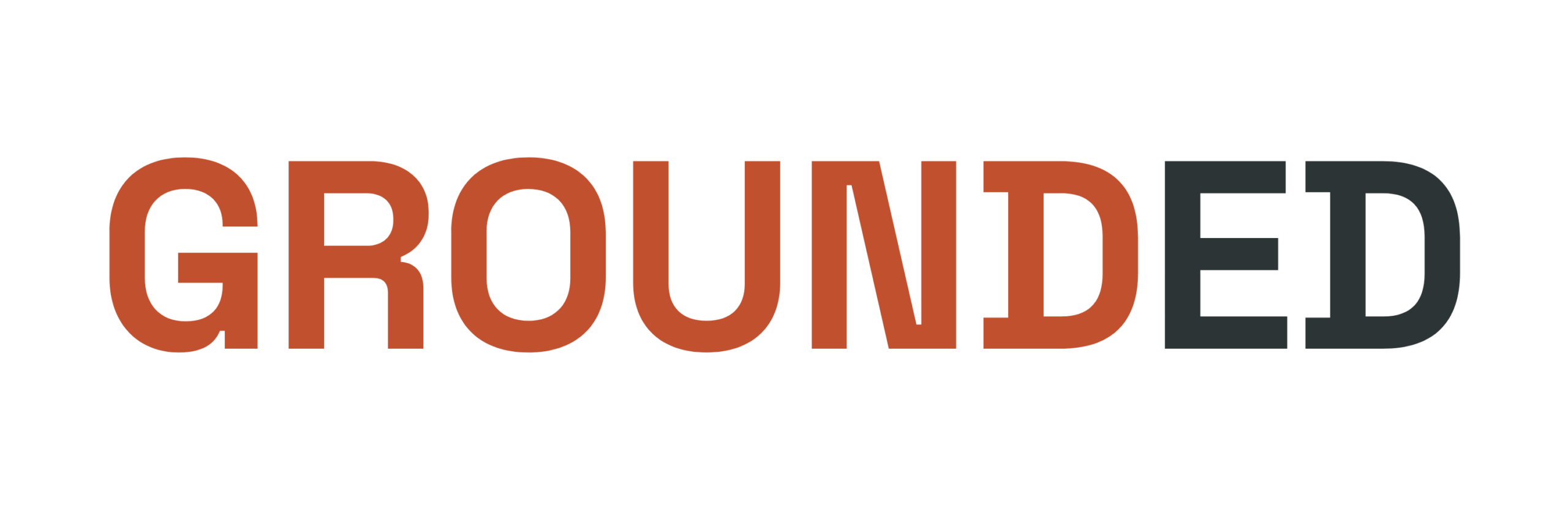

Why the semantic layer I spent years dismissing turns out to be the thing missing everywhere else.

What happens when AI lets you build faster than you can decide what you’re building.
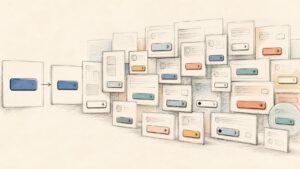
Why keeping your product consistent matters more now that decisions happen faster with AI.
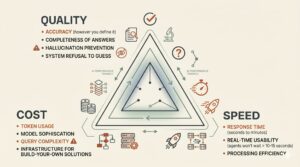
Understanding the Quality-Speed-Cost trade-offs that make AI “success” impossible to standardise.

You pointed your AI at SharePoint and now it’s confidently wrong. Why? Because you don’t have a knowledge base. You have a filing cabinet. And until you understand the difference between a document repository and a KMS, your AI project is retrieving the wrong things, faster, at scale, with confidence.

Part two of a two-part series. Part one covers why your AI architecture may not be fit for regulated environments. I spoke a client a few months ago. A legal dispute had landed, pretty standard for a regulated contact centre, a customer claiming an agent had given them incorrect information. The legal team’s request was…
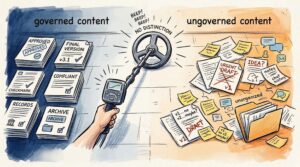
The risk isn’t that enterprise AI search tools don’t work. It’s that they work exactly as designed, for knowledge workers, not contact centres. When you use discovery infrastructure to do governance work, the permissions get respected. The governance does not.
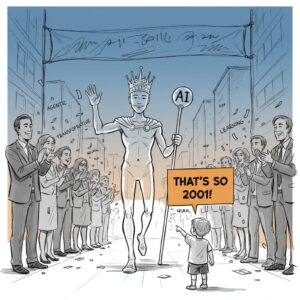
I attended a Genesys partner conference recently. The presentation deck and speakers were impressive. They talked about their platform evolution, moving beyond CCaaS to become a full orchestration platform. They dropped every AI buzzword: A2A (agent-to-agent), MCP (Model Context Protocol), agentic workflows, AI Agents, multi-modal AI experiences. Then they shared some real-world use cases. Transcription…

Why AI adoption has nothing to do with access, and everything to do with the one experience that changes everything.
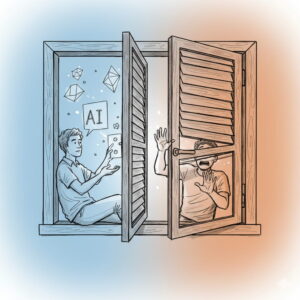
What my grandfather’s pickaxe, COVID restaurant pivots, and a teenager’s dismissal taught me about every technological shift, and why this one has a shorter timeline.